
Kids listen more than you think—so let’s talk about vaping
Vaping, whether it’s nicotine or cannabis, can affect a young person’s brain, body, and mental health. Your support and conversations make all the difference.
What Is Vaping?
Vaping means inhaling an aerosol made by heating a liquid or substance in a small device, often called a vape, e-cigarette, or vape pen.

The aerosol may contain:
Cannabis extracts THC or CBD oils. ²
Nicotine
Flavouring chemicals and solvents propylene glycol, vegetable glycerin, etc. ¹
Many devices look like USB drives or pens, making them easy to hide.
Even if they seem harmless, vaping is not risk-free—especially for young people. ¹ ²
Why It Matters for Youth

Vaping Nicotine
Almost all vaping liquids sold in Canada contain nicotine ¹, the same addictive substance in cigarettes.
Nicotine affects the developing brain (which continues to grow until about age 25). It can impact memory, concentration, impulse control, and emotional regulation. ¹ ²
Youth can become addicted more quickly than adults, even with occasional use. ¹ ²
Vaping exposes lungs to chemicals and metals that may cause coughing, wheezing, and lung irritation. ¹
Teens who vape are more likely to start smoking traditional cigarettes. ¹ ²

Vaping Cannabis
Cannabis can be vaped as dried flower, oils, or concentrates—some with very high THC levels ² (up to 90 %).
High-THC products increase the risk of anxiety, paranoia, psychosis, and addiction. ²
Frequent cannabis use in adolescence can affect memory, learning, motivation, and brain development. ²
Since vaping cannabis has little smell and can be done discretely, youth may use more often and at higher doses without detection. ²
Using illicit or unregulated products raises risks of contamination and lung injury. ²
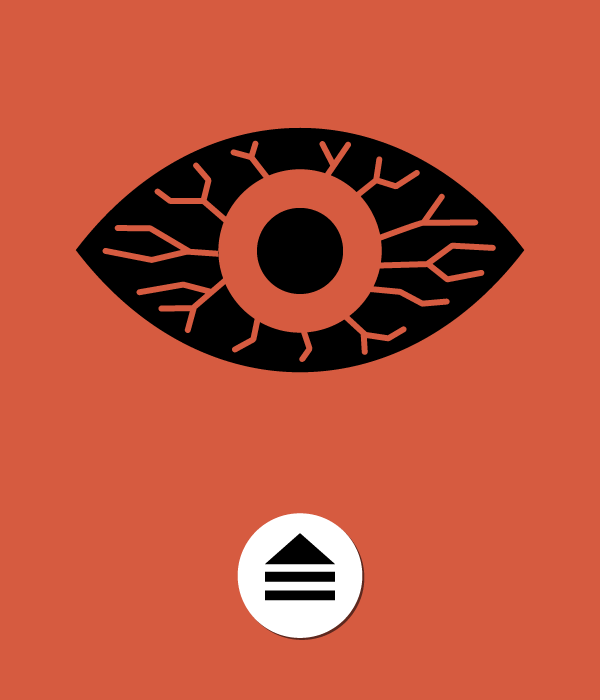
How to tell if someone is vaping
A combination of the following may indicate someone is vaping…


How to Talk With Your Teen
Start with curiosity, not judgment.
It’s normal to feel worried, but lectures or punishments rarely help. Try these approaches:

Ask open-ended questions — what have you heard about vaping at school?
Share facts calmly — did you know nicotine can affect brain growth?
Connect it to what matters to them — (e.g., sports performance, focus, or independence).
Listen more than you talk — teens are more likely to share when they feel heard.
Acknowledge pressures — peer influence and stress are real.
How You Can Support Your Child

Set clear rules — make your home and car vape-free zones.
Where to Get Help
As a parent or caregiver, your conversations and example matter most.
Stay informed, stay open, and keep talking. Together, we can help youth make choices that protect their health and their future.

Click to watch a video to learn some tips on how to get the conversation started.

Substance (Previously, Drug Free Kids Canada) – Parent Support Hub ⇒
Tools, guides, and live support for parents and caregivers.
Health Canada – Vaping Information ⇒
Facts, regulations, and youth education materials.
Quash App ⇒
A free Canadian app designed to help youth quit vaping or smoking.
Kids Help Phone ⇒ – 1-800-668-6868 or text CONNECT to 686868
24/7 confidential support for youth in Canada.
REFERENCES
- Health Canada. (2023). Risks of vaping. Government of Canada. https://www.canada.ca/en/health-canada/services/smoking-tobacco/vaping/risks
- TalkSubstance. (n.d.). Youth and vaping – a growing trend. https://www.talksubstance.org/issues/vaping